
Drivers and Car Buyers: Steer Clear of These Fraud Hazards
Summary:
If you’re planning to buy a car—or you just drive one—a pair of recent security alerts could affect you. One involves a massive data breach, while the other centers on AI-driven fraud. Here are the details around each, and how to protect yourself from their impact.
Criminals are stealing driver's licenses and impersonating car dealers
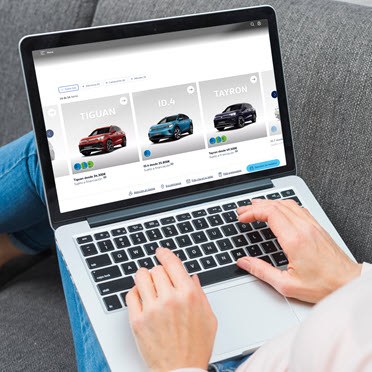
There’s a reason why state-issued driver’s licenses are the most commonly used form of identification in the U.S.: Cars and driving are an integral part of the country’s character.
Few people understand this better than cybercriminals, who often tap into illegal schemes involving state DMV offices or the sale, maintenance, or repair of vehicles. In fact, two recent security concerns have popped up on this front: one involving stolen driver’s licenses and the other focused on fraudulent car dealership websites.
Whether you’re in the market to buy a car or you’ve potentially been caught up in a driver’s license breach, here’s what to know about these situations and how to guard against the possibility of identity theft or financial loss.
Issue 1: Your driver's license info may be for sale on the dark web
The FBI recently announced that it was investigating a report of millions of stolen U.S. and Canadian driver’s licenses. The investigation was triggered when cybersecurity journalist Brian Krebs discovered a site on the dark web called Nexus, where criminals had made digital scans of licenses available for sale. Krebs reported that he confirmed the authenticity of his own driver’s license on the site, as well as those of several people he knows.
Nexus claimed to have scans of 153 million driver’s licenses, which would make it one of the largest breaches related to government-issued identity documents in North American history.
The incident involved a breach of the identity verification platform IDScan.net. The company has confirmed that the stolen information may include “a combination of the full name, contact information, date of birth, driver’s license, passport, and/or other government-issued identification numbers” of each victim.
While Krebs has since reported that the Nexus site has suddenly disappeared from the dark web, it doesn’t mean that the threat is over. If this cache of driver’s licenses is still in criminal hands, it could reappear at any time or be used to commit identity theft.
How to minimize damage from the driver's license breach
IDScan.net says that it has notified individuals potentially affected by this incident. But even if you haven’t received a breach notification letter, there are steps you can take to mitigate any damage should your government-issued ID become part of a breach like this:
Carefully review your credit score and credit reports on a regular basis for any sign of fraudulent activity.
If you believe that your driver’s license or any other personally identifiable information has been used to impersonate you, immediately report it to the FTC at IdentityTheft.gov, as well as local law enforcement and your state’s Attorney General.
Consider getting comprehensive identity protection coverage such as the IDX Complete Plan. It includes 100% guaranteed identity recovery, $1 million in identity theft insurance, access to IDX’s expert care team, and more.
Use a proactive surveillance tool such as CyberScan, available with most IDX plans, to automatically monitor the dark web for signs that your driver’s license or other personal information has been breached.
If you’re at high risk of identity fraud, consider placing a freeze on your credit file. Alternatively, consider a credit lock, which restricts access to your file, is easy to set up, and can be removed instantly. The IDX Complete Plan includes a credit lock at no extra charge.
Issue 2: Bogus car dealerships are scamming car buyers
Shopping for a new or used car? That dealership site you’re browsing might not be what it seems. The FTC has issued a consumer alert about fraudsters creating fake websites to mimic real car dealerships.
Here’s how it works: Scammers use AI tools to create an authentic-looking replica of an existing, legitimate car dealership site, complete with accurate elements including brand logos, vehicle listings and photos, even customer testimonials. The site typically describes the buying process in detail and offers a flexible return policy. If you engage with the site and purchase online, you’ll show up to the real dealership expecting to pick up your vehicle, only to discover they have no record of your order or your payment. And there’s no vehicle waiting for you.
Automotive site The Drive reports that the issue is especially rampant on Facebook Marketplace. It recounts the story of a buyer who used Marketplace to find and purchase what he thought was a $36,000 Toyota 4Runner. Unfortunately, the truck turned out to be an elaborate AI-generated fake. The scam was so sophisticated in every detail, including a hyper-realistic yet bogus dealership website, that a reputable auto lender fell for it and approved financing for the nonexistent vehicle. While this buyer was ultimately able to get out of his financing contract when the scam was revealed, not every victim is so fortunate.
How to protect against fake car dealer websites
The FTC advises taking the following steps to avoid being scammed by phony auto dealership sites:
Regardless of whether the site turns out to be a fake, always start by checking a dealership’s reputation. Search for their name along with words like “scam,” “review,” or “complaint.”
If possible, avoid conducting the entire transaction online and don’t purchase a vehicle sight unseen. Insist on viewing the vehicle—and the dealership—in person. If the seller won’t allow you to do this, walk away.
If the car is located too far away for you to see it in person, let the dealer know you want to hire a mobile inspection service to check out the car. Again, if they balk at this, don’t engage further.
If the dealer insists on an upfront payment by wire transfer only, that’s a red flag.
Help others avoid becoming victimized: Report fraudulent websites at ReportFraud.ftc.gov.
These two security alerts are part of the new rules of the road for navigating today’s digital threats. While you can’t prevent corporate data breaches, you can take precautions to help ensure you don’t fall victim to identity theft. And while AI has made it easier than ever for bad actors to defraud people, you can still apply common-sense measures to steer clear of scams.
About IDX
We're your proven partner in digital privacy protection with our evolving suite of privacy and identity products.